About me
EAST COAST Atlantic City Union Tradesman -> LA Headshot Photographer
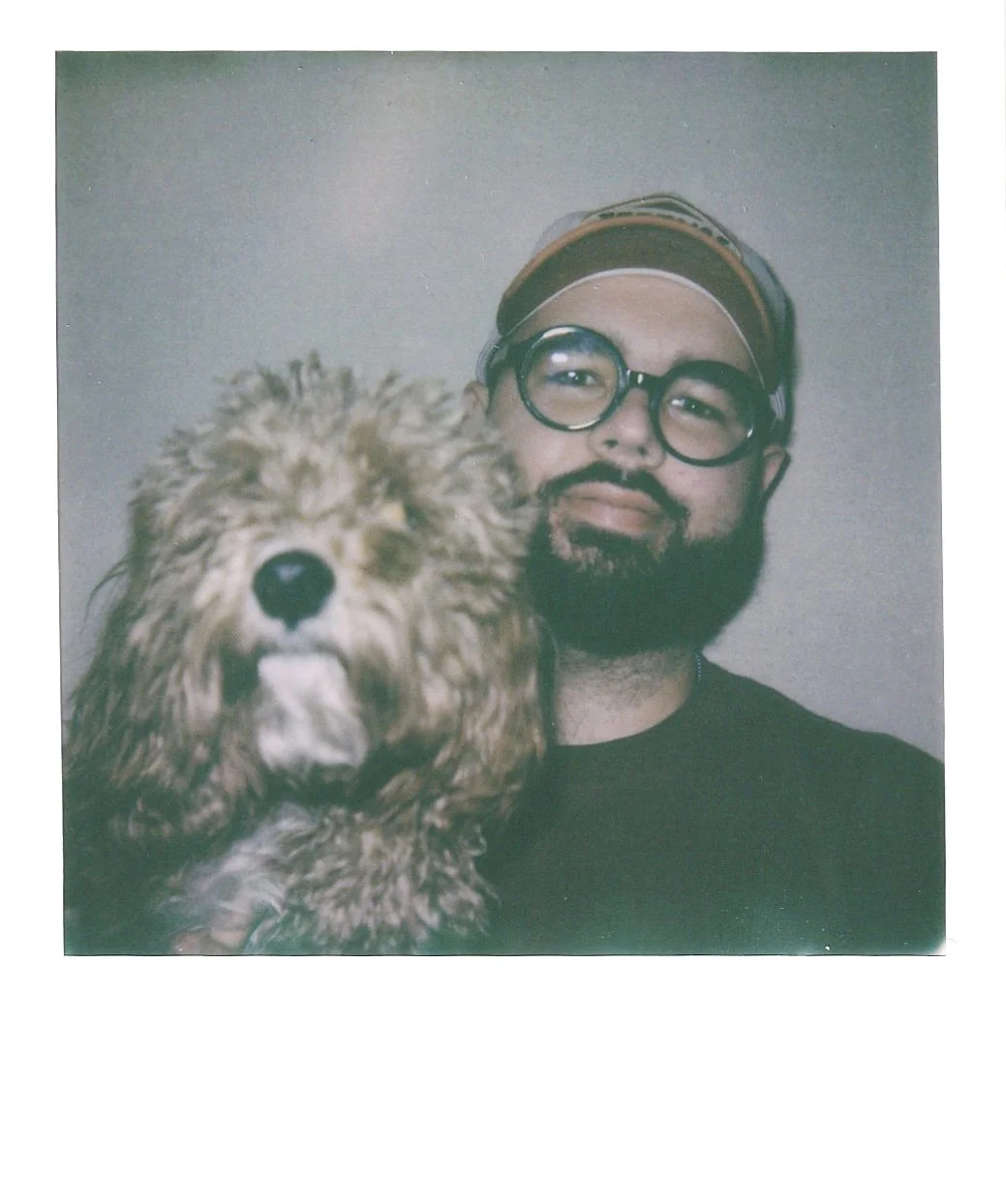
Hi!
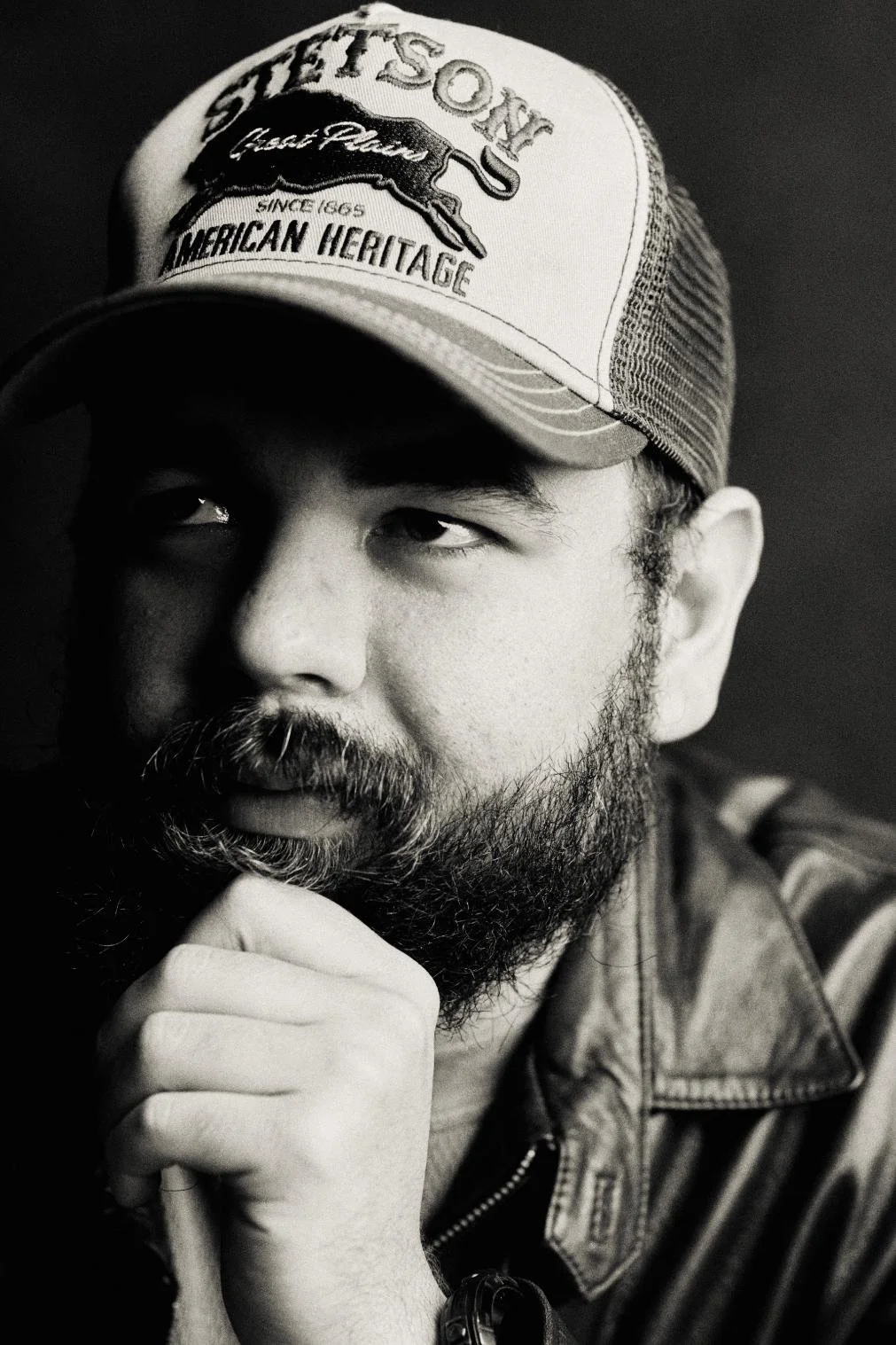
I’m Matt, from Smithville, NJ- the rural shadow of Atlantic City, NJ. This is going to be an obnoxiously long “about me” for a headshot photographer. There’s just no way around it. I just literally can’t write down my career resume and explain what those jobs entailed without this going off the rails. So off the rails it goes. A cookie-cutter about me is boring anyway. If you’re even on this page, you probably want the good stuff. This is definitely not “I picked up a camera, and it was love at first flash and mocha latte”.
It wasn’t until I moved to Los Angeles that I realized what an interesting place South Jersey is. Most of it consists of the Pine Barrens, which is essentially a federal reserve for pine trees. I was looking back at my old pictures recently and I was kind of shocked at how isolated of a place South Jersey really was. My old pictures were just an endless assortment of backroads, beaches, marshland and obviously tons of pineland and forest. But then, Atlantic City was 20 minutes away, Philadelphia was an hour away, and NYC was 2 hours away. South Jersey is an extremely liminal place.
As I’m writing this, my studio is now one of the hottest acting headshot studios in Los Angeles. The current wait, depending on the time of year, is 2 weeks to 2 months for a session. It didn’t really take too long to build my studio to that point- but more on that later.
The acting headshot market is notoriously tough to break into. It’s been dominated by a few key figures for decades, it feels. There’s been a solid pipeline of agents/managers who have their safe go-to people who’ve been doing the same thing for a while, and it makes it quite tough for anyone new to come around. I did. I didn’t come here to rewrite the script. I simply tore the script apart to start from scratch. I wanted to do things that worked. I really didn’t care about any of the headshot “rules” at the time. Honestly, I couldn’t even figure out who made them up. I was, and still am, absolutely focused on one core mission: getting actors the images that give them the best possible chance of getting cast. When I was in the Operating Engineers Union, I worked at two casinos with state-of-the-art technology. I also worked with old, patchwork tech that was falling apart. I know firsthand how much having the right tools gets the job done.
There was an interesting start to my career. Out of high school, I jumped right into a completely different industry: The casino industry in New Jersey. Atlantic City is an incredibly gritty place. I kind of laugh when people think that areas of LA are dangerous because none of it really feels nearly as dangerous as some areas of Atlantic City (at that time). Atlantic County was one of (if not THE hardest it counties by the 2008 recession and that shaped my early life quite a bit). The personality of that city is much different as well. The emphasis is to show up, do your job, and not complain. Trades union culture turned that up a notch as well; if I were to show up late to a shift; I’d get immediately written up. Even if I were to show up on time but forget my badge to swipe in- write up. Atlantic City was truly a 24-hour town, and I was expected to be available every hour of the day and not complain about it- actually, I was told that it was an honor and that I was lucky to even have the privilege to work (and they were NOT wrong in the economy).
I learned, in great detail, what makes a winner and what makes a loser through tough times. I worked at the most incredibly successful casino in town (the Borgata), and I worked at the epic failure that was the Revel Casino, which may have been the biggest casino bust in the history of casinos, and one of the greatest business failures in modern history. If you want some entertainment, look up Revel Casino and the business decisions they made. I was one of the very first employees on the ground there. I saw, firsthand, management make wild, selfish decisions that did NOT consider the customer AT ALL. I learned in great detail what works, and DEFINITELY what doesn’t. I had a short, but intense and impactful career while I was there. Here are all the various jobs I worked, in order.
Security Officer- Atlantic City Hilton
Fire Command Officer- Atlantic City Hilton
Fire Command Officer/Surveillance Tech- Borgata
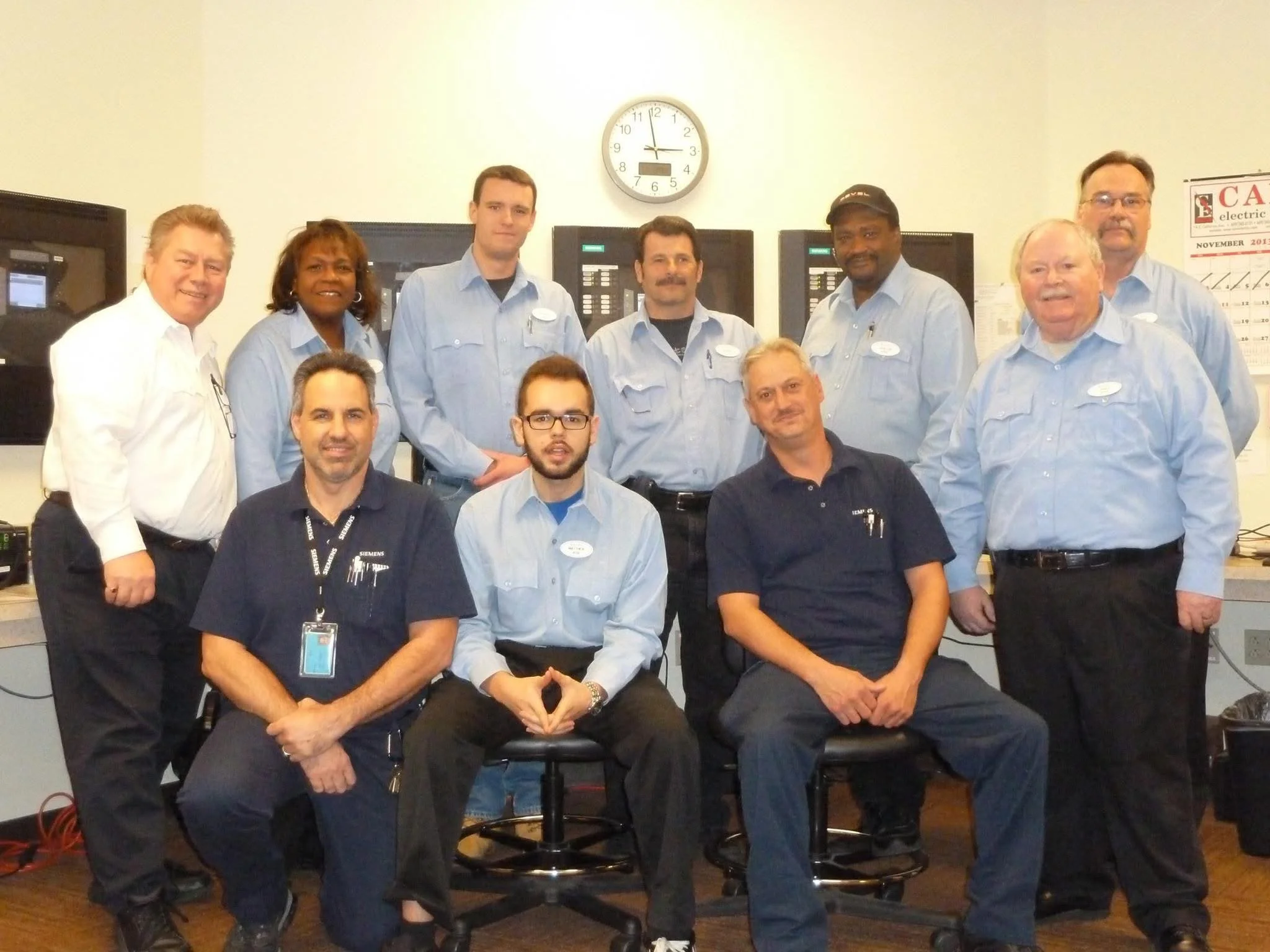
Emergency Fire Command Officer/Public Safety Specialist (Local 68 IUOE) - Revel Casino
Groundsman (Local 68 IUOE)- Harrah’s
General Maintenance/Fire Command Officer (Local 68 IUOE)- Caesar’s
It wasn’t until recently that I realized that this past career completely paved the way for my career here in Los Angeles. When I was 18 years old, I was guarding millions of dollars, making late-night money drops, protecting VIPs and high rollers, and learning exactly how the slot machines and table games were literally rigged to make sure that the casinos were making a set amount of money (but not TOO much money to keep the gamblers hoping just a little bit). When I jumped into doing surveillance, it got even CRAZIER. I was tasked with wild assignments. I would need to spy on employees who had accusations against them, find stolen goods, do reports, and track and record incidents and injuries. It required an absolute eagle eye. I’d have to watch hours of VHS footage, with hundreds of people in frame and on an extremely grainy image, to find a subject/event that may have taken just a second (a pickpocket, for instance). An eye for detail is hardwired in my brain from spending hours reviewing video at 3 am in a state of the art surveillance hub. Yes- even working graveyard shift we were still tasked with both monitoring current conditions AND doing investigations into past events while being tired out of our minds slogging through the night.
Fire Command was a different beast, and this is what I was REALLY good at and LOVED. This was also the highest stakes job. I had to learn the fire and life safety systems of some of the biggest and most complex buildings in the world. These buildings were OLD as well, held together by a patchwork of repairs and systems over the years. You not only had to learn and understand how each system worked, but how it was patched together and jerry-rigged through the decades. If there was any sort of public safety emergency, they required a response from the fire department, and I was responsible for the execution of that. I would have just minutes to decide if an alarm was false or not, and a mistake would cost the casino hundreds or thousands of dollars, OR at worst, somebody’s life. High stakes have been imprinted in my mind my entire adult life, and I THRIVE off of that.
It was serious. I was responsible for coordinating the response for some serious situations, and still to this day, I’m surprised that I executed virtually every situation I had to deal with flawlessly; not because I was some kind of phenom, but because I was doing this job at SUCH a young age and somehow managed to thrive when every single other coworker was 2-3x older than me. Somehow, I was able to 100% earn their respect in that position, which I really had to work hard to prove at that age as well.
You’d be surprised how often life safety emergencies happen at a place like a casino. We’ve obviously had fires, but that’s not the only thing that can happen. I’ve had to deal with fire sprinklers busting over nightclubs and flooding people out. I’ve had to deal with freak massive storms that were so powerful it literally ripped the doors off of the building and made the elevators bounce around in the shafts. I was part of a small team that stayed behind to make sure that Revel didn’t endure catastrophic damage during Superstorm Sandy. The Jersey Shore was completely evacuated twice during my time there. I once had a night where TWO elevators in a row got stuck in between floors with nearly THIRTY people inside. Being between floors means the only way out is to be pulled out of the top of the elevator by the fire department. That situation actually made world news.
My responsibility in that situation? I take the call, locate the physical location of the elevator, decide the fastest, most efficient path to getting the patrons out, and if the fire department arrives, I need to get them to the elevator control rooms and to the closest access point for the elevator. My speed and knowledge determine how long those people are stuck in there, and when people are having panic attacks and dehydrating every minute, it matters.
The same applies in the case of a fire; only it’s more time sensitive. Thankfully, in my career, I never had a major fire, mostly because I had every single one taken care of immediately before it had a chance to become something major. In each of those situations, I was responsible for deciding if the casino, hotel, or both were evacuated. This sounds like an easy decision, but it is not. If the casino is on fire, it could be a liability to evacuate people in a hotel because you’d be sending them TO a fire on the lower floors to leave the building. I was the point of contact for every department and person in the building, and I determined what happened and executed the response to resolve the situation as quickly as possible. When the fire department arrived, I worked with the battalion chief to get their men stationed where they needed to be as fast as possible and to brief them on every aspect of the situation. A casino is like a mini city. The fire department does not know the building, and I need to let them know EVERYTHING. Where the fire sprinklers, detectors, valves, and water connections are. An error is critical, and I simply never made a critical mistake; I could be criminally liable if something were to happen from my negligence if a mistake were made.
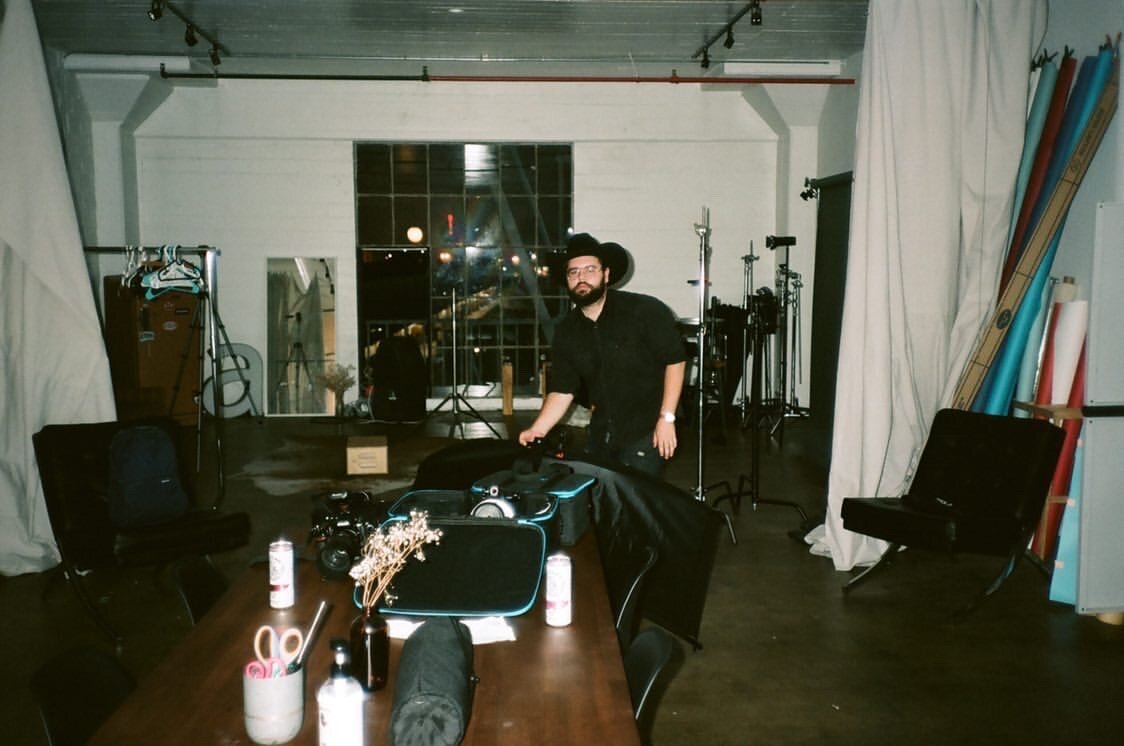
Unsurprisingly, that experience translated extremely well to headshot photography. Helping nervous clients doesn’t really faze me; the idea that it would is quite silly compared to what I was doing at 20 years old. I’m just realizing now that I built my studio to be EXTREMELY similar to a fire command center. There are set procedures (for me) to keep everything organized and running smoothly. The technology is state-of-the-art: I tether to a massive monitor, and I have an insane workstation on the other side of the studio. The workstation is even hooked up exactly like a fire alarm system terminal; it is plugged into a private server and backed up to an emergency UPS system. I also have the amenities to keep myself comfortable, exactly like at the casinos (a little workout area, small kitchen, water delivery, etc.). All shoots are logged, organized, and tracked through its own software. I even have a set schedule for myself that I do not stray from, and if I do, I see it as overtime. Clients walk into a space that feels very lived in, smooth, and easy-going because it’s quite literally an extension of what I’ve been doing my whole life.
Fire Command was a lifer job. Most people who got that job simply never quit. At every casino I worked at, I was the youngest person to ever do it. AND I worked at FOUR different casinos; the most prominent casinos in town. I learned FOUR different systems, undoubtedly the ONLY person to ever work Fire Command at that many locations in that town. I learned the inner workings of four mini cities and the systems that ran them all in my early twenties. It was almost one casino every year in the beginning, an incredible mental workload. Just memorizing the hallways of a casino was quite a job, add to that memorizing the components of an entire alarm system- INSANE. It was an incredible mental workout for my brain, and it definitely primed me for learning photography and studio lighting. I’m thinking about my studio now, and it’s extremely complex compared to most. I have nearly 100 different backdrops and almost an infinite amount of lighting setups. My past career definitely made it so that that kind of complexity isn’t difficult; it’s comfortable and what I expect and want. Keeping a mental tab on everything in my studio is extremely easy; I know every backdrop and how it photographs at every angle and in every lighting condition. This is nothing compared to a state-of-the-art alarm system in one of the most complex buildings on earth.
Revel Casino was an extremely interesting part of my life. This was one of the BIGGEST casino projects ever conceived. The cost of construction was nearly 2.6 BILLION dollars (I personally think the number was WAY higher than this, as there were major accounting mistakes and they never really agreed upon what the actual construction cost was). I was one of the first employees hired there that wasn’t HR, a cafeteria worker, or an Executive. I was part of the “Safety” department and Revel Casino was the only casino in town that had something like that, so they hired people with a safety background. I was one of the ONLY ones who had Fire Command Experience, so at 20 years old, I was very responsible for creating all the procedures that the building probably runs by to this day. That was the 3rd building that I worked at at that point, and I saw two VERY different ways of doing things. I got to create my own procedures, EXACTLY how I wanted and how I saw things most effective, and in a way that ensured our department had the utmost authority in the building. Looking back, I’m STILL shocked that at 20 years old I was able to project as much authority as I did in that building.
It was an incredible life lesson in so many ways. I was doing everything right on my end, and I quite literally got to build a job and my own rules. I LOVED it there, but the building's management was just an epic disaster. After two years, the building declared bankruptcy TWICE and ultimately shut down. Even the night I shut down the casino was full of drama; fun fact, I was the person who made the announcement over the loudspeakers. I stayed AFTER the shutdown as well until I ultimately left. This was extremely disappointing to me, and it left me extremely annoyed that my life and future were so closely tied to others’ performance. Especially as I was doing stellar work.
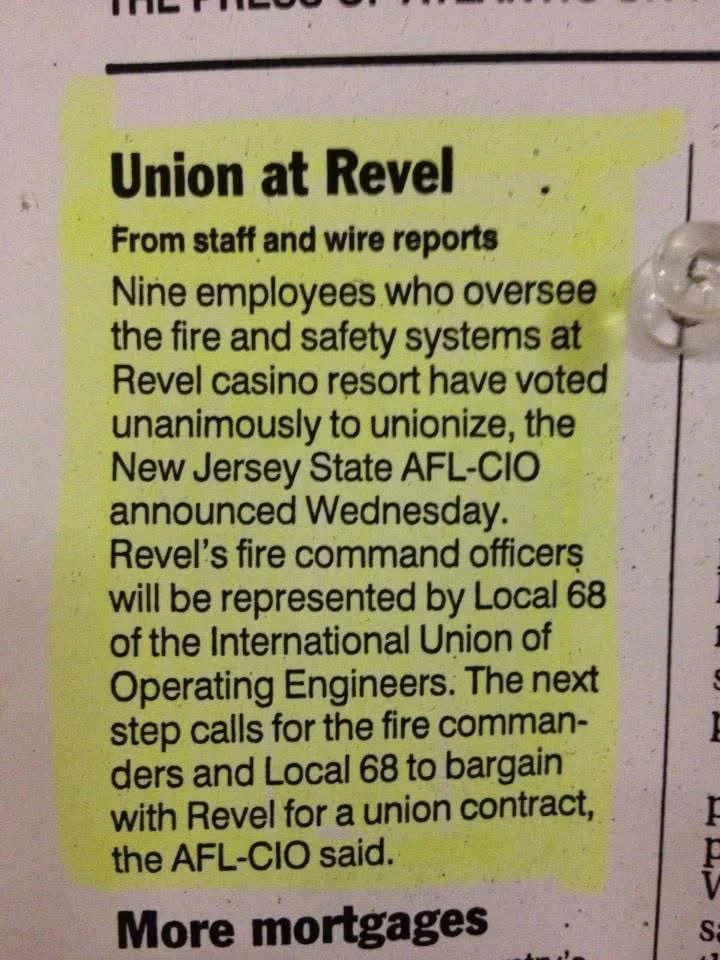
At Revel Casino, we unionized our position, and I became a proud member of Local 68 Union of Operating Engineers. It was a grassroots effort that required 100% buy in-, and we got that. ONE holdout would have messed it up, but we succeeded. Joining a labor union became a very transformative part of my life. I’m not sure many people on the West Coast understand the East Coast union tradesmen mentality, but it was quite simple and quite strong. You always show up on time, you always respect your union brothers, you take pride in your work, and you do the job right. Imagine that in LA. The guys I worked with were unbelievable. I worked with guys who’d work entire overnight shifts and then HAVE THEIR OWN BUSINESSES during the day. I didn’t have the best examples of leadership at home, but these guys sure did fill in the gaps. My bosses were also incredible men & women. They were fair, they knew their shit, they listened, and they ALWAYS STOOD UP FOR US. Again, for a young me, this was model behavior. I saw firsthand that you can move your career along fine, while also uncompromisingly standing up for the people below and around you. You’ll see this ALL OVER my website. There’s a lot of info, a lot to take in; it may sound strict or opinionated at times, but if you look at it through this lens, you’ll see me, pretty much at all times, standing up for the actor with the mission of getting them the best headshots possible. It’s the common thread through every page/policy/belief I have.
I also worked as a Groundsman and Maintenance Mechanic. That was something else. I LOVED working as a day shift seasonal groundsman. This was just blue-collar hard work. It was early mornings and all manual labor. I loved waking up super early, watching the Jersey Shore sunrise, and the super clean/crisp smell of the condensation on the ground from after a hot/humid night into a cool morning. The landscaping was my favorite part. I got into shape SO fast while pitchforking mulch around. I lowkey still wish I could live a simple life shoveling mulch and planting trees. I also learned how to drive the forklift. Forklifting was sick. The most disgusting job involved deep cleaning the casino dumpsters (aka the slurry).
I absolutely hated the night shift. Somehow, out of the seasonal guys, I got placed on the night shift. I had to clean up human vomit, shit, piss, and all the other messes/trash that pops up on the exterior of a casino at night. It was extremely lonely, too. I was the only one on shift with zero coworkers. My body could NOT adjust to a 12-8pm shift. I would drink an entire pot of coffee and still fall asleep right after.
Joining the union is what gave me the funds to start my photography career on the side, as my salary nearly doubled, and I began collecting a nice pension and annuity fund. My PTO also increased. I was working absolutely insane hours and rotating shifts, but on the side, I would go out and play around with my camera. I started posting on Instagram, and it didn’t take long for my profile to absolutely BLOW up. Around 2017-2019 there was a time where each post would get nearly 10,000 likes. It was pure insanity.
As my photography grew bigger, my hours and career ended up becoming more and more insufferable, and I was burning out MAJORLY. Now, this whole about me is written like someone who is systems-oriented, technically competent, overly methodical, or analytical, but that's not really the main operating system my brain runs off of. It’s actually pretty incompatible with the true me. I just taught myself all those things to get by, and honestly, it’s some really neat skills to have, but I just did what my life handed me at that time. Even though I could have had any success in that career I wanted, I just couldn’t keep on.
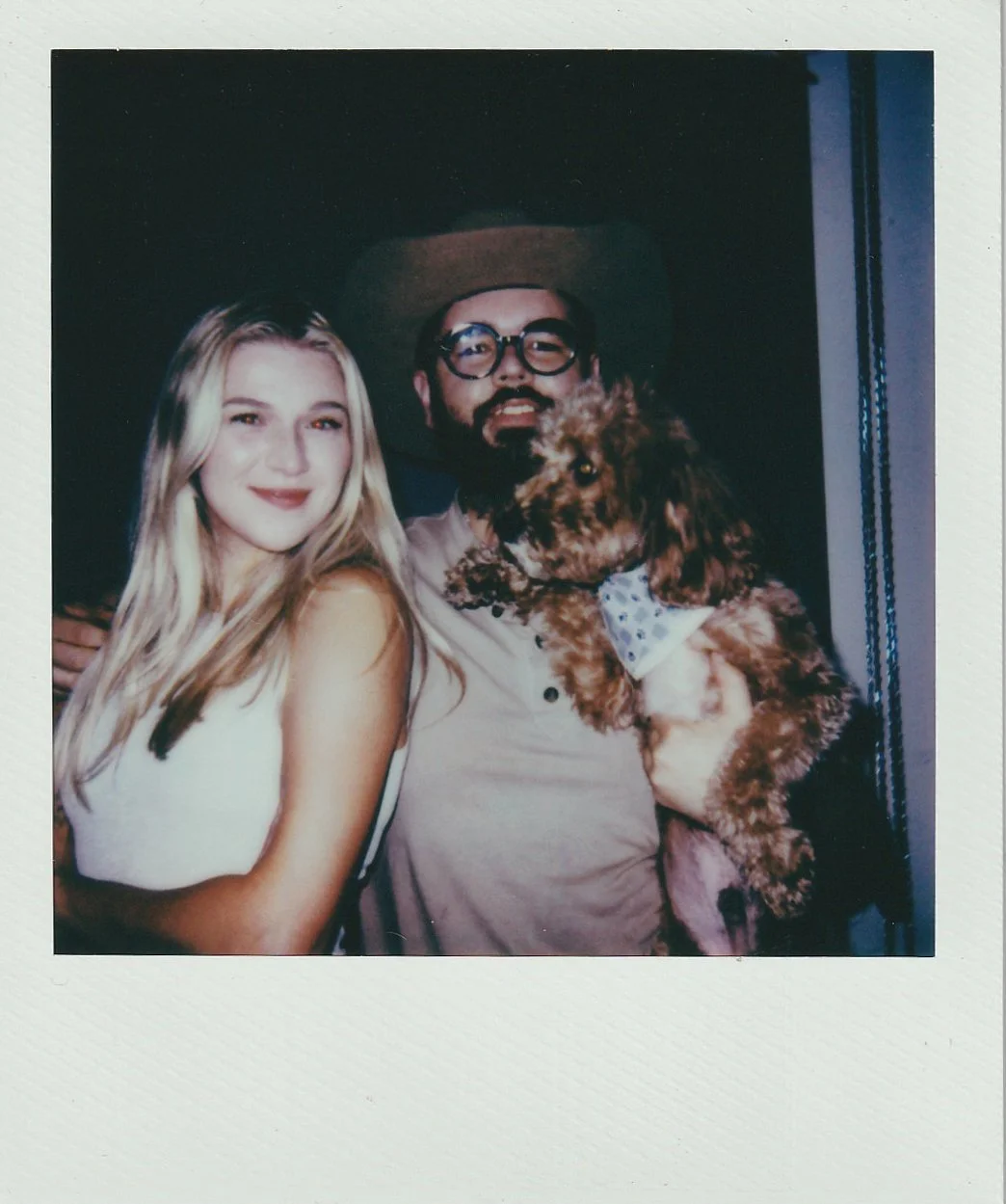
I definitely have more of an artist’s brain; I see things very abstractly and in a lot of depth and detail. You can see this in my work as proof. It is the furthest thing from rigid. If you look at the commercial portfolio vs the theatrical portfolio, it’s like a different photographer took those images. That’s not even going into my film and Polaroid work. I do film/polaroid work simply for love of the game. I love the texture, feel, and emotion that come with an analog process. It’s not an efficient process, there’s no real need to do it- but it’s sick, and I enjoy it. Sometimes, the same feeling happens while taking headshots; I could be taking headshots that are technically perfect, but if it doesn’t feel right, I scrap the look and start over. I actually use feel/emotion to guide an entire shoot, and I refine the work with the analytical side of the brain I developed out of necessity in my previous life/career.
I started to get pretty dang big on Instagram in 2016. I would post all kinds of pictures of the Jersey Shore, and later, I got into portraits and was working with all kinds of influencers and models. I had an extremely dedicated, awesome base of fans. It must have been pretty interesting because I was a kid who posted these crazy cool photos with influencers and then also posted stories from work at Caesars, dressed up in my union gear, also talking to everyone and keeping people posted with what I was doing. My account was crazy- every post would just get thousands of likes and hundreds of comments. At all times, my message requests would just say “99+”.
At night, I’d be the temp Facilities Manager or Fire Command Officer at Caesars, and during the day I’d be doing the photoshoots. Insane. My co-workers were 100% aware that I was doing this too. Now these are pretty roughneck East Coast electricians, plumbers, maintenance guys, and all that. You’d think they’d see my super corny pictures and give me a hard time- nope, they still gave me the utmost respect at work and as a person, which is why I still talk so highly of them and that whole space. If anything, they were a little upset that I sometimes tended to be quiet at work.
After Revel closed, I took a major step back in my career and started working random union odd jobs. The pay was the same because it was union, but I lost all my seniority, and my hours were wild. It was pretty difficult to have a stagnant, but secure career and such a booming but uncertain hobby with photography.
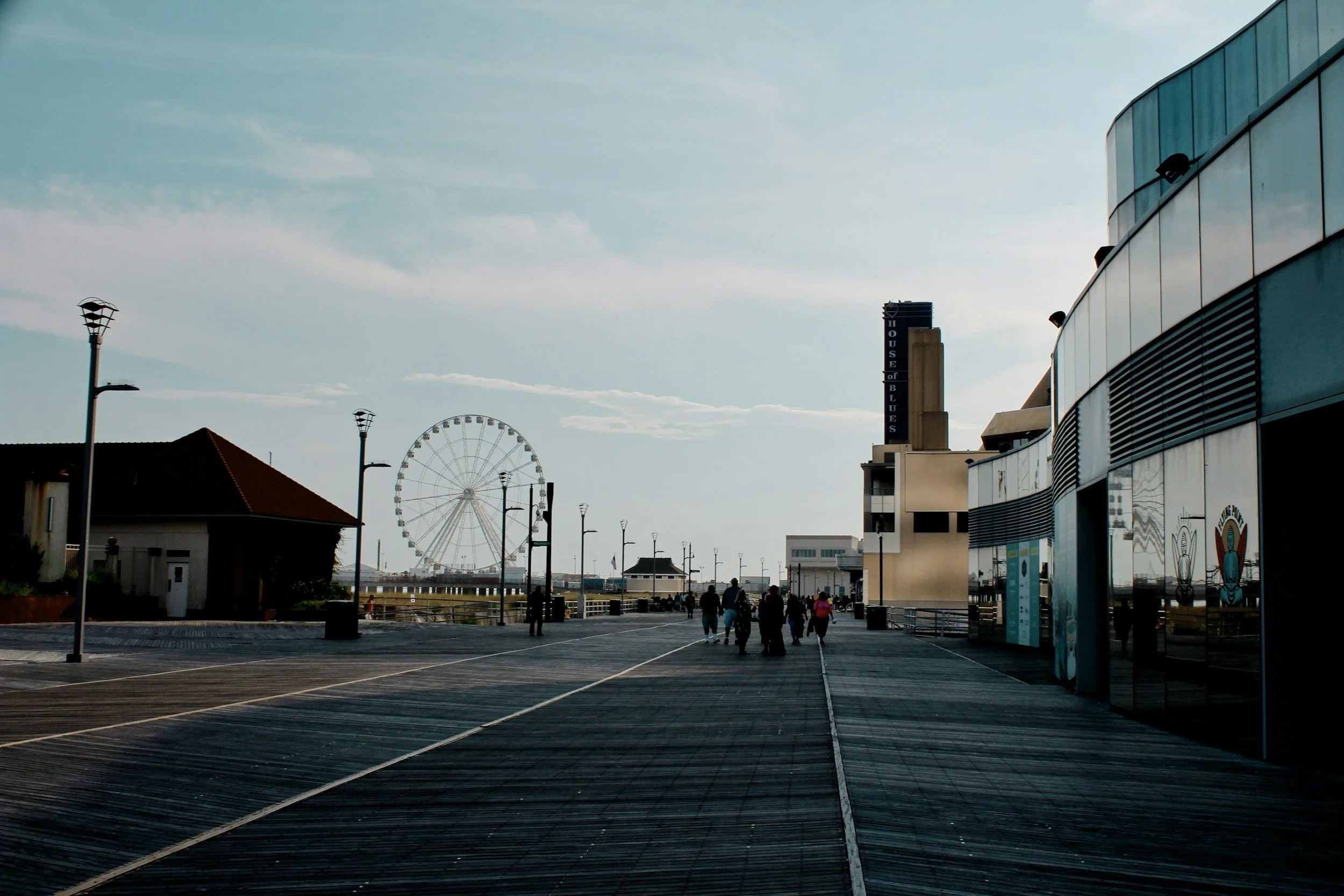
In 2019, when I was 26 years old, I hit my breaking point, and I left the boardwalk of Atlantic City and headed west in my Camaro. It probably looked like something out of a movie. Moving to LA was NOT easy, I was just incredibly burnt out and unhealthy. It took almost a year just to feel somewhat normal again, and once I did, the pandemic hit.
The pandemic just didn’t faze me at all. It was actually an incredible opportunity in my eyes. My life was built around chaos, instability, pressure, and risk. That was truly nothing to me. I KNEW everyone else in LA had their tail between their legs at that time and had no idea what to do. Also, when I got to LA, I was ELATED because I realized pretty quickly that I could outwork, quite literally, anybody. The funny thing is, growing up, I’ve always thought that I had a better eye than work ethic, considering the people I grew up with were such great models in that regard; so being in a place where I felt like I could outwork everyone but still have a really good sense of style and version was just incredible.
My Instagram account was an ABSOLUTELY MASSIVE RESOURCE. I actually didn’t come into LA blind. I came to LA with a massive number of connections I built through my photography. This would never have worked if I hadn't had that for-fun Instagram page, and I humbly admit that as a pure fact. Just like how I was trusted at the casinos to be the fire command officer at a really young age, a lot of people through my Instagram trusted me to take their headshots for them, even though I didn’t have experience doing that specifically. I always think about how lucky I was to get that level of trust. To pass the time, I called in SO MANY of my model/influencer friends and had them shoot with me for free, just so I could learn and refine. It really blows my mind that I, a casino worker, was able to build a coalition of connections in Los Angeles before even living in Los Angeles.
June 2020 is when I got my first studio space. I simply saw the pandemic as a time where we had a LOT of free time, and I NEEDED a studio space to practice. At that time, to me, there was no better currency than improvement, and as a big sports fan, I knew that there was no better gateway to improvement than repetition. I used the time during the pandemic to shoot and learn studio lighting as quickly and as rapidly as possible. I was already VERY good at working with natural light, but working with studio lighting was a different beast. I didn’t want to just learn a good studio lighting setup and go- I wanted to learn studio lighting inside out. To use quite literally everything at my disposal and see how it ALL worked. In the first 5 years in a row at my studio I spent about $50,000 per year in JUST supplies. Lighting modifiers, cameras, lenses, you name it. I left no stone unturned. The goal of every shoot for years was to try something very slightly different.
I think a lot of photographers buy one modifier, use it, and call it a day, and just keep using that. I wanted to learn how EVERYTHING works in many different situations, so when I finally settled on something, I was damn sure I had the very best setup (spoiler: I now have the very best setup).
This is how I ended up with the look I have now. I utilize whatever I need to get the look that works.
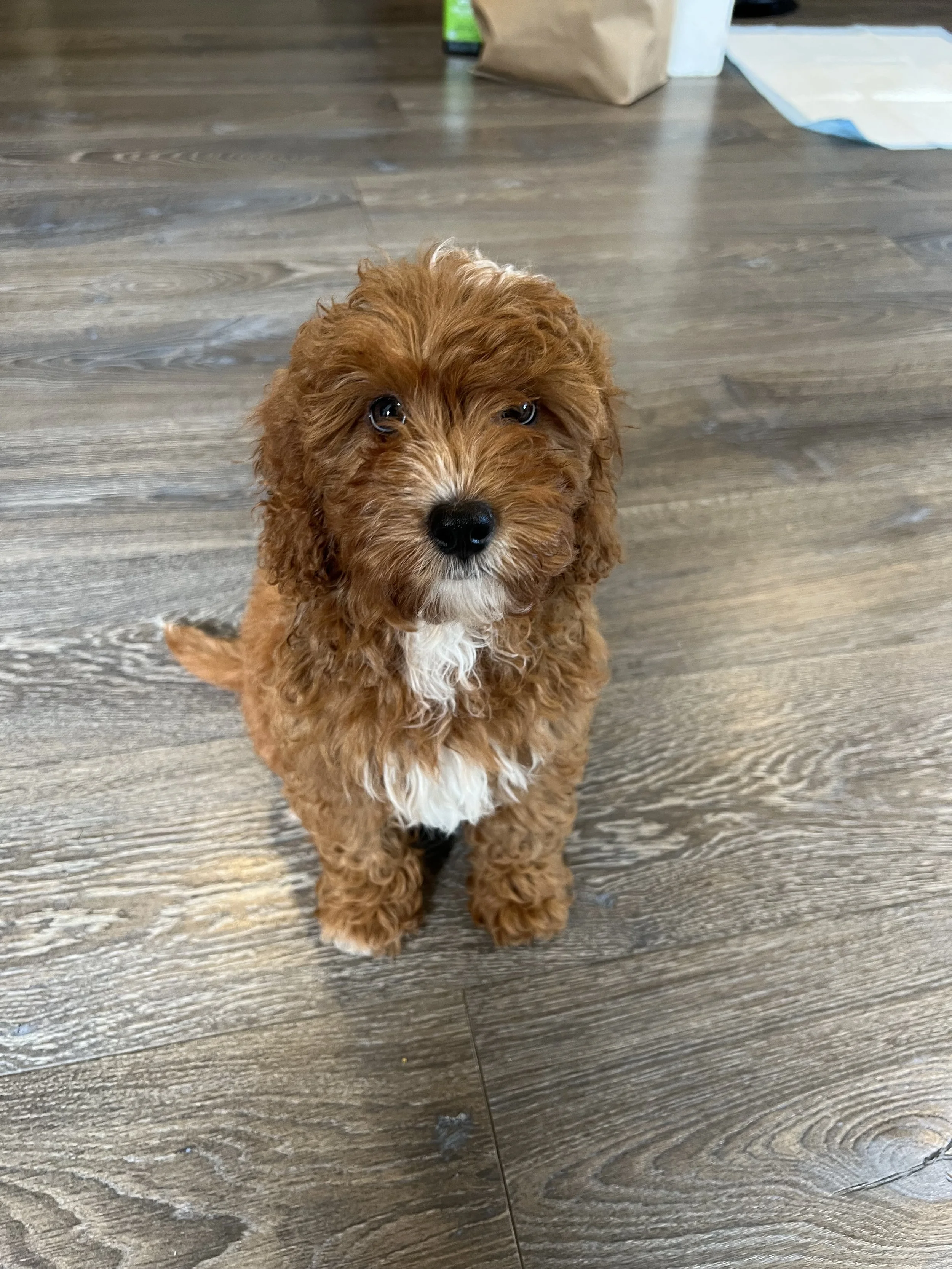
Currently, the studio is just simply a blast. Things run incredibly efficiently, I have the nicest clients on earth, Waylon runs the show and keeps things fun, and the vibe is just great.
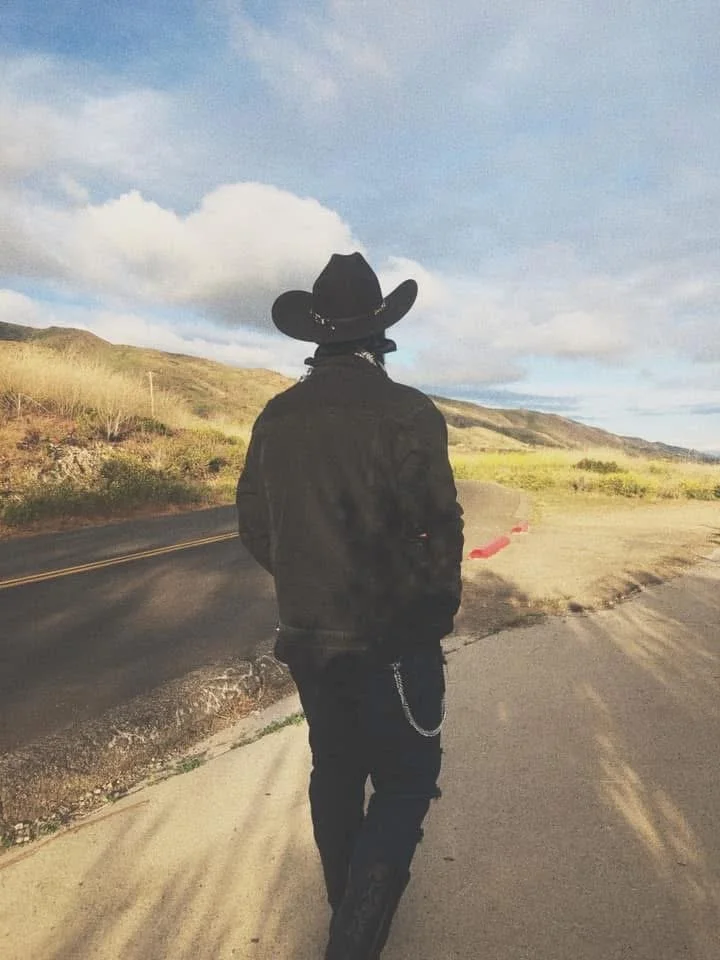
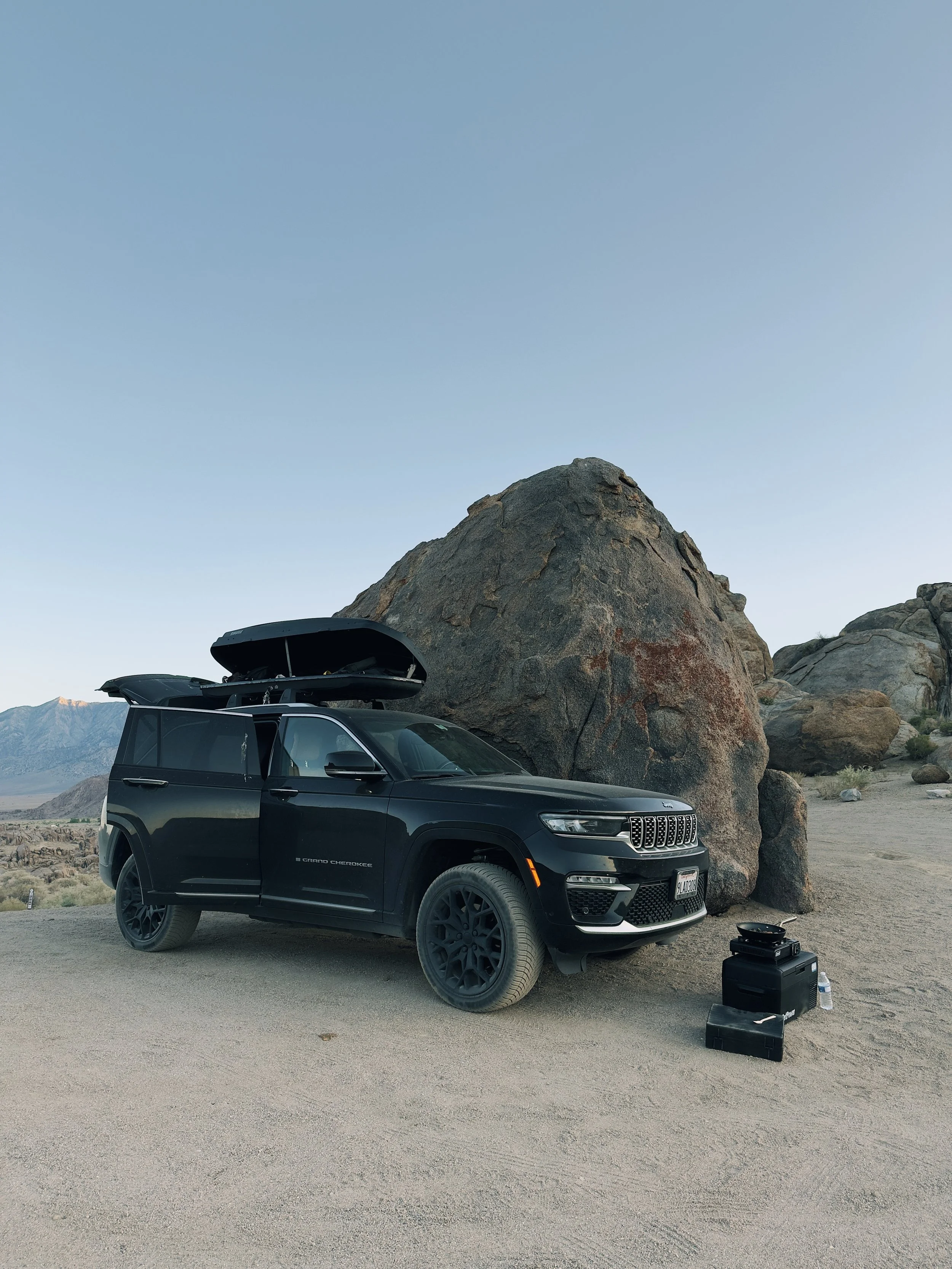
Since this is an about me, I’ll include some other random tidbits to finish it off. I absolutely love roadtrips and hiking. You’ll see tons of photos from those adventures on the instagram page @mattmarcheski. I’m very into cooking and I go very hard with that. Clients never see this but I always have home cooked meals stuffed in the fridge. I’m a huge fan of country music- Tim McGraw, Dierks Bentley, Eric Church, Miranda Lambert and Keith Urban will always be favorites. And more recently Zach Bryan, Megan Moroney, Parker McCullum and Midland have been on the playlist. I’m also a big football fan, so when football season comes around, I won’t stop yapping about that. And finally, as you can already tell, I have the most amazing dog, Waylon. A 3 year old cavapoo who is probably smarter than all of us combined.
Matt